HGTV Star David Bromstad Makes Emotional Return After Year-Long Absence, Declaring: “I Had to Rebuild Myself Before I Could Build Anything Else”
In a powerful and deeply personal announcement that has sent shockwaves through the home design community, beloved HGTV personality David Bromstad has officially returned to the network after a full year away from the spotlight. The star of My Lottery Dream Home stepped back amid profound personal struggles, but now he emerges transformed, ready to confront unfinished business on screen.
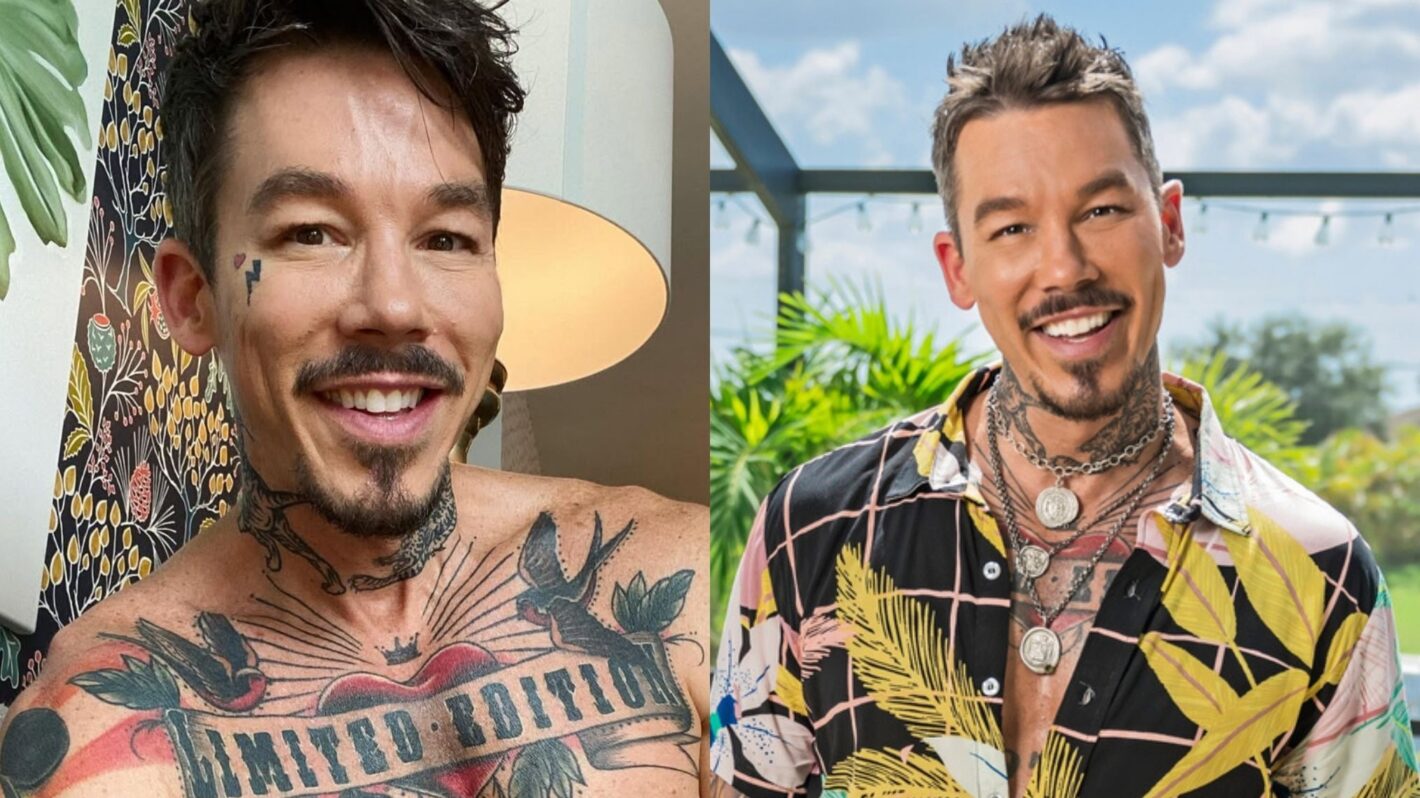
“I had to rebuild myself before I could build anything else,” Bromstad revealed in his candid comeback statement, words that carry the weight of hard-won truth and raw vulnerability.
The absence was no ordinary hiatus. What began as a routine renovation on his dream Florida home spiraled into devastation when a massive storm unleashed catastrophic flooding, destroying years of work and forcing a complete demolition down to the studs to combat relentless mold.
The loss was more than structural; it reopened old wounds, including unresolved childhood trauma, pushing Bromstad into a dark spiral of substance use as a desperate escape. “I was in trouble,” he later admitted, describing how the chaos eroded his mental stability until he could no longer maintain the optimistic facade fans had come to love.
He checked himself into a treatment program mid-filming, a decision that demanded immense courage and marked the turning point in his battle for sobriety.
For months, whispers circulated among viewers. Was Bromstad gone for good? The silence only fueled speculation, with fans debating whether the pressures of fame, personal heartbreak, and professional demands had finally broken him.
Now, those doubts are laid to rest. Bromstad’s return is not a glossy reset but a gritty acknowledgment of reality.
“This isn’t a fresh start,” he emphasized. “It’s accepting what I’ve been through.”
The statement resonates with brutal honesty, challenging the polished narratives often peddled on reality TV and sparking heated discussions about mental health, addiction, and the hidden costs of public personas.
What makes this comeback even more compelling is the project itself: a completely new endeavor unlike anything Bromstad has tackled before. Tied to his journey of recovery, it weaves personal healing into the act of creation, turning his own rebuilt home into a symbol of resilience.
Viewers who once watched him guide lottery winners through fantasy properties will now witness the designer confronting his own shattered dreams and piecing them back together. The emotional stakes are higher than ever. Every design choice and every reveal carries echoes of pain survived and strength reclaimed.
Bromstad’s openness has ignited fierce debate. Supporters hail him as a beacon of hope, proving that rock bottom can lead to profound growth.
Critics, however, question whether HGTV adequately supports its stars during crises or if the industry exploits vulnerability for ratings. His story forces uncomfortable conversations. How much trauma hides behind the cheerful renovations we binge-watch? And can true recovery coexist with the demands of television?
As Bromstad steps back onto set, the air crackles with anticipation. This chapter is no mere return; it is redemption forged in fire, a testament to the messy, nonlinear path of healing.
Fans are left wondering: What revelations will unfold in this uncharted territory?
One thing is clear. David Bromstad is not just rebuilding houses anymore. He is rebuilding a life, one courageous step at a time, inviting the world to witness the unfinished business of becoming whole again.