When a parent loses a child, there is no headline strong enough to hold that weight.
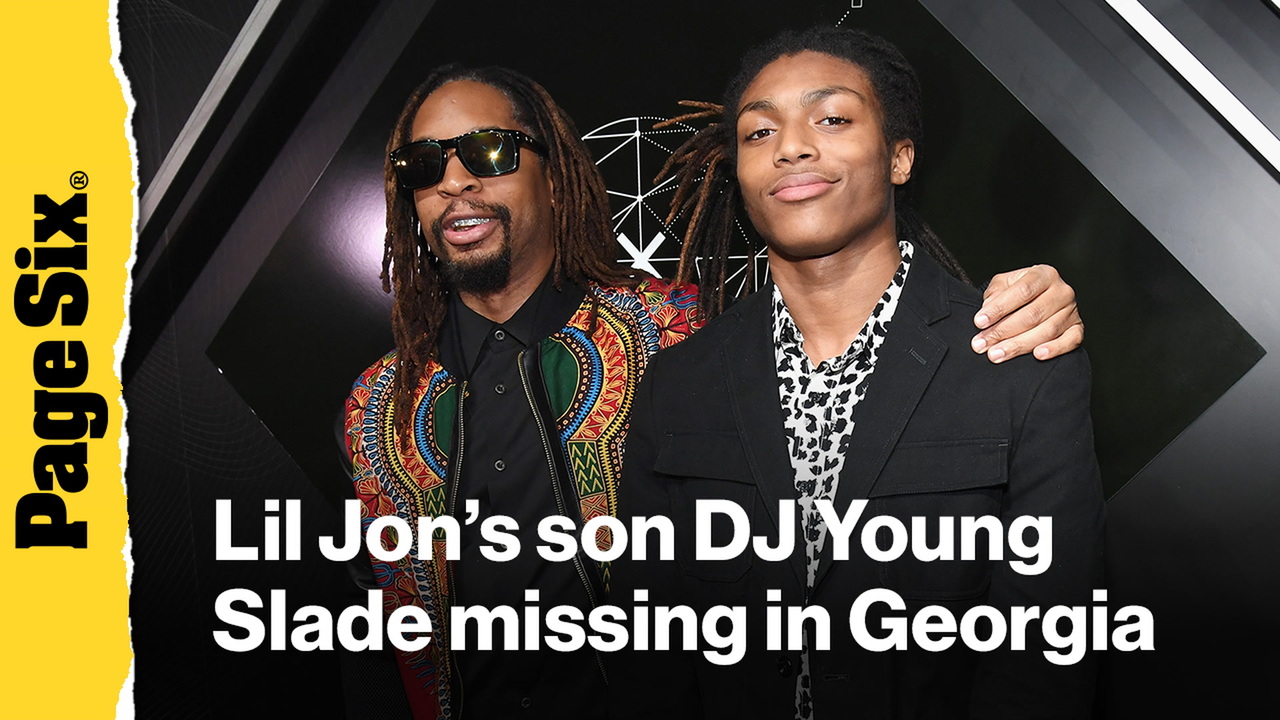
Lil Jon, known to millions for his larger-than-life persona and, more recently, his television presence, is now standing in a place no father ever wants to stand. The death of his son, DJ Young Slade, has shifted everything — not just for him, but for the public watching from the outside.
In a recent emotional statement, he described the moment that broke him.
“I opened my son’s phone and witnessed a series of heartbreaking moments,” he shared, his voice reportedly unsteady.
That single act — scrolling through messages, photos, unfinished conversations — became a collision between past and permanence. Every notification frozen in time. Every thread a reminder of what will never continue.
Grief, for him, hasn’t been quiet.
He admitted that sleep has become rare. That nights stretch longer than they should. That memories arrive without warning. “I saved everything even though I knew keeping it in my heart would hurt more,” he confessed — a line that has resonated deeply with parents who understand the impossible tension between holding on and surviving.
But alongside sympathy has come debate.
Some praise his openness, saying public vulnerability breaks the stigma around male grief and parental loss. Others question whether such intimate details should be shared at all — whether revisiting private digital memories crosses a line that should remain sacred.
It’s an uncomfortable conversation, and maybe that’s the point.
Grief in the age of social media doesn’t unfold behind closed doors anymore. It spills into timelines, interviews, captions. And when the person grieving is famous, the line between healing and exposure becomes even harder to define.
Production on his professional commitments has reportedly paused. Insiders say returning to work feels distant — not because of logistics, but because nothing feels urgent compared to what’s been lost.
Adding to the emotional tension, authorities are expected to release additional information regarding the circumstances surrounding DJ Young Slade’s passing. That impending disclosure has intensified public curiosity — and concern. People want answers. But answers rarely soften loss.
Right now, what’s most visible isn’t controversy. It’s a father trying to make sense of silence.
Behind the debates, beyond the speculation, there is something painfully simple: a parent replaying memories on a screen because it’s the only place his son still replies.
And whether shared publicly or held privately, that kind of grief doesn’t ask permission.