In a stunning revelation that has sent shockwaves through the reality television world, a former cast member has stepped forward with explosive details about her abrupt departure from the hit series.
Speaking exclusively to sources, the star — known for her unfiltered presence on screen — insists her exit was not weakness, but resistance.
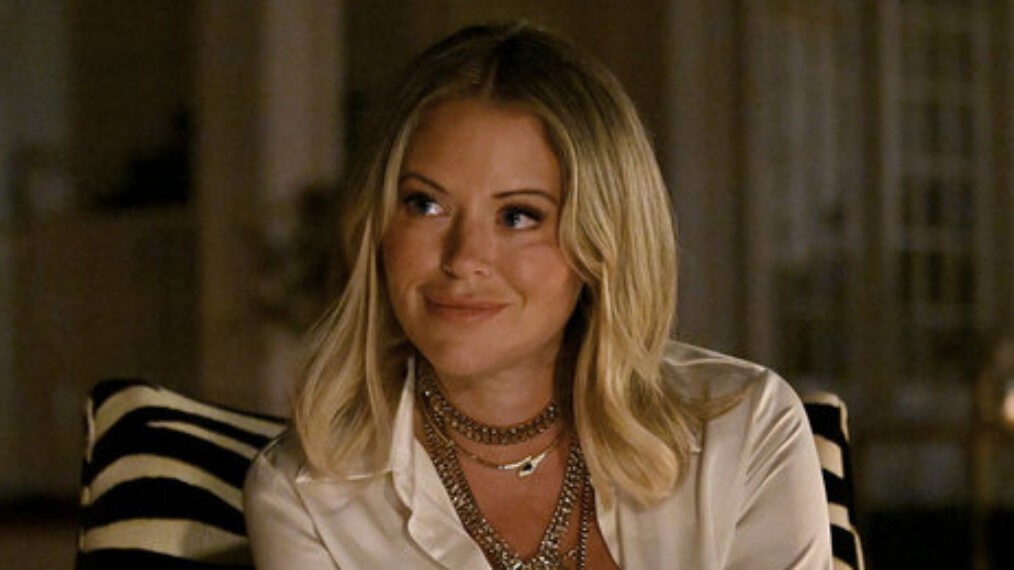
“I didn’t walk away because I couldn’t handle the heat,” she declared.
“I walked away because the situation stopped being real and started feeling toxic.”
What fans witnessed as escalating tension was only a fraction of what unfolded behind the cameras.
The unraveling reportedly began with a single heated exchange involving Dorit Kemsley. On screen, it appeared like a typical Housewives flare-up. Off camera, insiders say it metastasized.
What started as a personal clash quickly infected the group dynamic. Casual interactions hardened into calculated positioning. Conversations shifted tone. Alliances formed in whispers. Every glance carried weight. Every word felt strategic.
According to sources close to production, the environment transformed from collaborative to combative with alarming speed. The star describes feeling increasingly isolated — not simply opposed, but surrounded.
As filming continued, the tension intensified.
Discussions meant to resolve conflict turned into subtle power plays. Storylines stretched, bent, and reframed.
“Every moment was twisted into something it wasn’t,” she said, her frustration still evident.
She entered the season intending to engage authentically. Instead, she found herself navigating what she describes as a pressure chamber — where real emotion became raw material for narrative engineering.
Production insiders quietly acknowledge that prompts pushed harder than usual this season. Drama was elevated. Conflict was emphasized. Nuance evaporated.
At one stage, she faced a wave of accusations that reframed her as the antagonist — despite what she believed were genuine efforts to de-escalate.
The breaking point was not a single argument. It was accumulation.
“At a certain point, protecting my peace mattered more than proving a point on camera,” she explained.
Her exit was deliberate. Not emotional. Not impulsive. Strategic.
Fans speculated about her absence from promotional appearances, especially the After Show. Now she clarifies it was intentional.
“If people think disappearing from the After Show was accidental, they’re kidding themselves,” she said.
“That choice said everything.”
The absence was not scheduling. It was protest.
Her account forces an uncomfortable question into the open: where does reality end and orchestration begin?
How much of what audiences consume is shaped before it’s ever aired?
Are cast members participants — or pawns?
Supporters argue her departure reflects emotional intelligence in a system that rewards chaos. Critics counter that heightened drama is the genre’s foundation — and no one enters unaware.
Still, her story reframes the conversation.
The glamour remains. The audience remains. But the human cost now sits closer to the surface.
As speculation builds, observers wonder whether others will corroborate her claims — or whether silence will prevail.
If more voices emerge, the consequences could ripple beyond a single franchise.
For now, her message lingers as both indictment and boundary.
In an era increasingly aware of mental health realities, she has positioned her exit not as retreat — but as refusal.
And in a world built on confrontation, sometimes walking away is the loudest statement of all.