In a revelation that has sent shockwaves through her devoted fanbase, television personality Jenn Todryk has confirmed the devastating return of her chronic illness — plunging her into a grueling battle that tests the limits of endurance.
The star of No Demo Reno opened up in a raw, unfiltered post, admitting the relapse struck with unrelenting force. Excruciating pain now bleeds into every corner of her life.
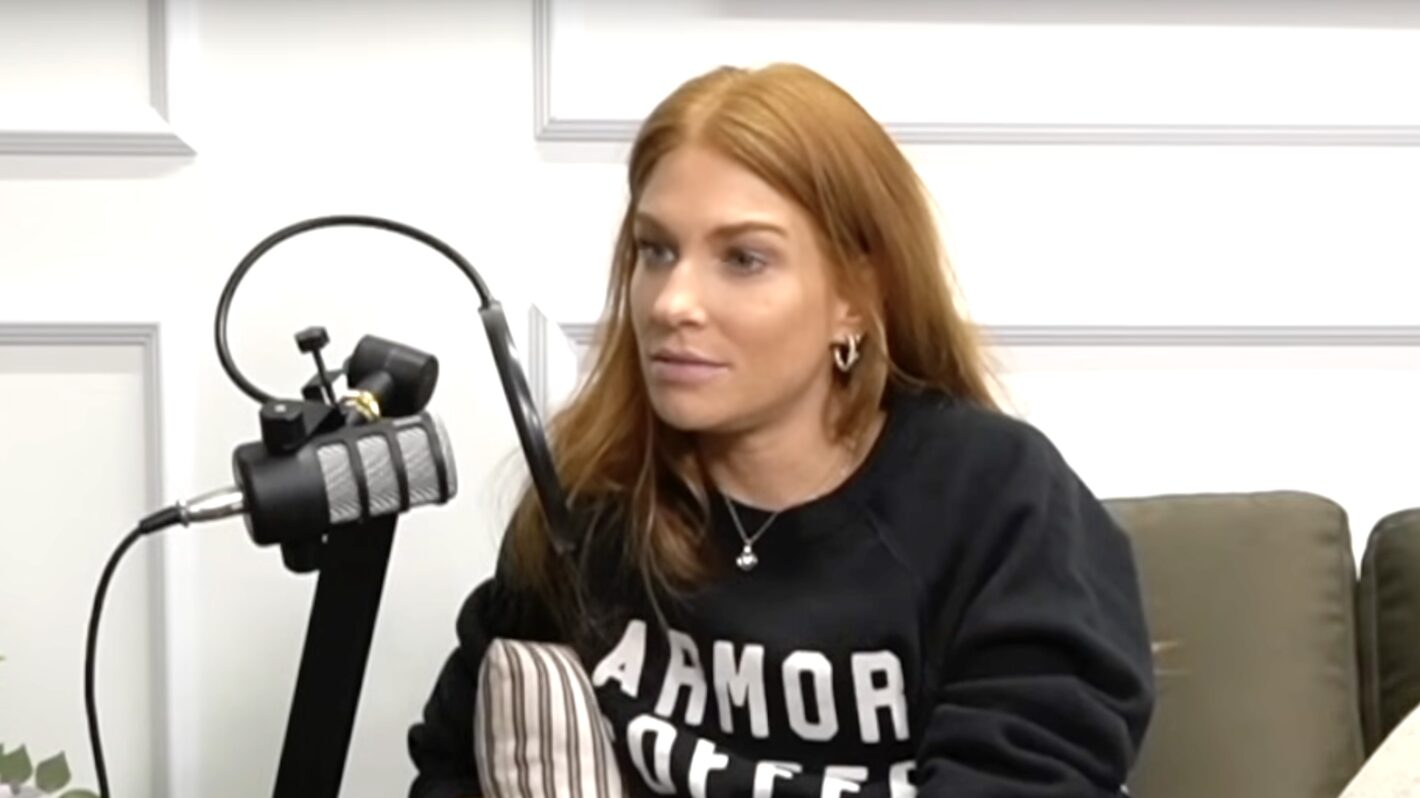
“I know this period will be difficult, but I’m trying day by day,” Todryk confessed — her vulnerability cutting deep and raising urgent questions about the hidden toll fame can take on personal health.
What began as whispers of fatigue has hardened into an undeniable reality. Todryk’s condition, once managed through willpower and an unforgiving work schedule, has returned with vengeance. Those close to her say the physical pain is compounded by an emotional maelstrom — a relentless storm that drains her spirit and forces her to confront how fragile recovery truly is.
Fans are reeling. Social media has erupted into fierce debate over whether the pressures of her high-profile career accelerated the setback. Was it the relentless pace of filming and renovations that pushed her body too far? Or does the relapse expose a deeper, systemic failure in how chronic illness is understood and supported?
As the story unfolds, Todryk’s decision to halt all professional commitments emerges as a pivotal turning point. No longer tethered to production timelines, she has shifted her focus entirely to stability — a move that feels both inevitable and quietly courageous.
“I had to weigh things carefully and listen to myself before deciding to stop all work,” she shared.
The statement lands as a sobering admission: healing does not follow the clean, linear path society expects. This pause is not surrender. It is resistance — a refusal to let momentum override survival, patience replacing the drive that once defined her success.
Still, the choice has ignited controversy. Critics frame it as weakness in an industry obsessed with hustle. Supporters see it as radical self-preservation, fueling broader conversations about mental health and chronic illness in entertainment.
Beneath the headlines lies the deeper truth — recovery is unpredictable. Todryk’s journey reinforces a reality many know too well: healing doesn’t move forward in straight lines. From the shock of relapse to the quiet battles of daily perseverance, her story unfolds layer by layer, pulling audiences closer.
What struggles did she endure off-camera? How will this reshape her future work? And what does her experience reveal about the unseen burdens public figures carry in silence?
In the end, Todryk’s ordeal stands as a stark testament to resilience amid chaos. As she navigates this turbulent chapter, her message lingers with weight and clarity: real strength lies in honoring the winding road ahead — and in giving oneself permission to survive it.