hung over the terrace. The kitchen hummed. The first tables filled quickly. Through the glass I watched customers taste food I had once cooked from a folding table beside a bus station.
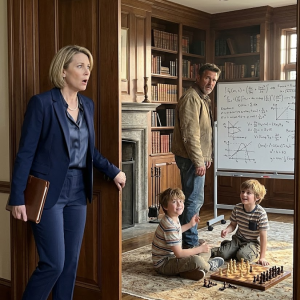
Mateo and Nico stood near the hostess station in little blazers, arguing over who looked more official.
My father was at the bar pretending not to be proud. My mother cried twice and denied it both times.
When the ribbon was cut, Nico leaned close and whispered, “Mom, do you remember the wedding?”
“Yes,” I said.
He looked around the restaurant, at the staff who greeted me with respect, at the room built by years of stubborn work, and then back at me.
“I think we won,” he said.
I crouched so our faces were level.
“No,” I told him. “We lived. That’s better.”
And that is the ending Marco never imagined.
He thought humiliation was power.
He thought wealth was noise.
He thought the woman he left on a bare mattress would stay broken long enough for him to enjoy it.
Instead, I built a life so full that his cruelty became a footnote.
My sons grew up loved.
The truth reached daylight.
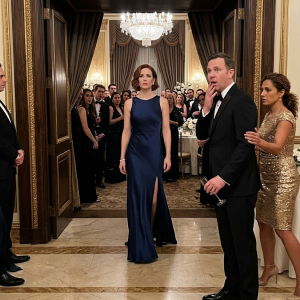
The wedding he used as a weapon became the moment everyone finally saw him clearly.
As for me, I did leave that ceremony with exactly what I arrived with: my dignity in one hand, and a son in each of the other ones.
That was more than enough.
It still is.