as grief’s convenient ally, but as the woman who had been standing near his sons in the dark with poison in her hand.
Why Mateo, he asked.
Clara lasted less than a minute.
Contempt broke through first, because people like her always loved themselves more than they loved the lie.
She said Mateo cried more, worried Damian more, pulled more attention, created more dependence.
One sick child made the whole household unstable.
It made the trust board nervous.
It made Damian easier to steer, easier to pressure, easier to surround.
She snapped that she never intended to kill him, only to keep him fragile enough that everyone would need her.
Then, because arrogance is rarely quiet once it starts speaking, she added that Aurelia had nearly ruined everything with her obsession over invoices and virtue.
Damian felt the room sharpen.
What happened to my wife, he said.
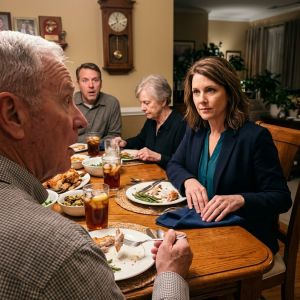
Vela stood abruptly, but Detective Mercer and the officers entered through the library doors before he reached the end of the table.
Clara looked from the badges to Damian and seemed to understand, all at once, that the game she had been playing inside his grief was over.
She opened her mouth to shift blame and instead delivered the line that doomed both of them.
Aurelia should have kept out of foundation business, she said.
Adrian told her to stop.
She would not stop.
Search warrants were executed before noon.
Clara’s phone, laptop, and home office records yielded deleted messages that digital forensics recovered within days.
In them, she pressured Vela to prevent Aurelia from completing the audit.
There were transfers from shell vendors linked to a foundation contract for neonatal equipment that had never been purchased.
There was a voice memo Clara had deleted after midnight on the day Aurelia collapsed, telling Vela that he needed to fix this before she talks.
Hospital record logs showed Vela accessing and altering Aurelia’s chart outside normal sequence.
A nurse, once the investigators reopened the case, came forward with the incident note that had disappeared.
She testified that Vela dismissed worsening signs and delayed escalating care after the medication sequence he personally authorized.
The criminal case stretched for months, but its direction was set in that dining room.
Vela eventually pleaded guilty to manslaughter, fraud, falsification of medical records, and conspiracy.
Clara rejected a plea, convinced until the end that wealth and poise could still bend reality around her.
At trial, the prosecution laid out the money trail, the altered chart, the drugging of Mateo, the trust maneuvering, and the recovered messages.
The jury convicted her of murder by conspiracy, attempted poisoning of an infant, fraud, and related charges.
Damian attended every day.
He did not look at her once after the verdict was read.
What mattered most happened outside court.
Three days away from Clara, Mateo’s episodes stopped.
No more stiffening spells.
No more cold, panicked cries after feedings.
Under Dr.
Chen’s care, he gained weight, slept in longer stretches, and began to look like what he had been all along: a healthy child recovering from repeated harm.
Samuel remained his sturdy self, though Damian often wondered whether even calm babies feel the atmosphere of danger around them.
Lina kept detailed notes through all of it, not because anyone asked anymore, but because vigilance