If Grandpa locks a door, am I allowed to knock louder?
If people don’t want you, are you still family?
You answer those as gently as you can and then spend the night staring at the ceiling, wondering how many generations it takes to unteach what one storm can do.
We put her in therapy.
Not because she was “damaged.”
Because she deserved language for the wound before it hardened into personality.
She got better.
Not instantly.
But honestly.
The first real sign was one Tuesday morning when it started raining and she didn’t flinch.
She just looked out the window and said, “Mom, you always come.”
I went into the pantry and cried where she couldn’t see me.
That spring, David and I sold the spare SUV and used part of the money to rearrange our schedules permanently. No more emergency dependence. No more hoping the people who failed her would someday become safer because it was convenient to believe it. We built carpools with two trusted neighbors. Mrs. Patterson became a kind of honorary grandmother by sheer merit. Lily started sleeping with the hallway light off again.
A year later, my mother wrote me a letter.
Not a text. Not a voicemail. A real letter in the uneven handwriting she used when she wanted to sound like the soft version of herself. She said she regretted how things unfolded. She said my father had panicked. She said she had frozen. She said she missed Lily.
There was no sentence in it that said what needed saying.
I chose Miranda’s children. I let your father lock the door. I let your daughter stand in the rain and then asked her to keep our secret.
So I did not answer.
My father never wrote at all.
Pride survives where love should have spoken.
Two summers later, Lily was eight and taller and louder and much harder to make doubt herself. We were driving home from swim lessons when rain started pelting the windshield in big silver sheets. I glanced in the rearview mirror, already bracing for the old fear.
Instead, she grinned and said, “Can we stop for fries and watch the storm from the car?”
So we did.
We sat in the parking lot with greasy paper bags and thunder rolling over the roof, and she dipped fries into ketchup like rain belonged to ordinary life again.
That was when I knew the worst part was over.
Not because my parents had changed.
They hadn’t.
Not because the past had softened.
It hadn’t.
But because my daughter no longer thought being left was something she might deserve.
That is the victory nobody sees from the outside.
Not the canceled payments.
Not the lost house.
Not the tuition.
The child who stops blaming herself.
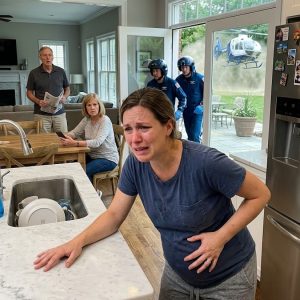
At school pickup, my parents drove away with my sister’s kids right in front of my daughter. When Lily ran toward the car expecting the same ride she always got, my mother rolled down the window and coldly told her to walk home in the rain. My six-year-old begged, reminding them how far it was and how hard it was pouring. They ignored her and drove off, leaving my little girl standing there soaked and sobbing.
That should have been the moment everything ended.
It wasn’t.