with a black trash bag at her feet and that same hollow, guarded expression Ren knew from memory. The girl was eighteen and had aged out of care that morning. Her name was Tessa. She had nowhere to go until a motel voucher started the next day. Ren bought her a sandwich, sat beside her in the rain-cooled air, and heard herself asking the question no one had asked her when she needed it most: Do you want a safe place for tonight?
Tessa came for one night and stayed three months. She helped in the garden, found work at the diner, saved money, and got her driver’s license. More important than any of that, she slept without fear. Watching Tessa laugh in the kitchen one evening, flour on her cheek and music playing low on the radio, Ren understood something with startling clarity. The real inheritance under the barn had not been the cash. It had been a set of instructions. Make the place safe for the next one.
Ren met with a county social worker and asked a hundred difficult questions. What happened to young women who aged out with nowhere stable to land? How many ended up couch surfing, in unsafe relationships, or back in crisis within a year? The answers were worse than she expected. She filed for permits, built a nonprofit board out of reluctant but decent local people, and named the project Holloway House. Milo donated lumber. Ruth organized a fundraiser dinner at the diner. A retired teacher volunteered to tutor residents for GED exams. The church ladies sewed quilts. A contractor who had once eaten pie on credit at Ruth’s place sent crew members out on weekends to help convert the old barn into a simple but warm bunkhouse.
The first year, Ren took in two residents. The second year, four. The farmhouse became a place of chores, calendars, shared meals, nervous first job interviews, late-night tears, and the awkward rebuilding of trust. The girls learned to keep books for the produce stand, care for hives, repair fence, cook real meals, and save money. Ren was not a savior and never pretended to be. The house had rules, rent was symbolic but real, and everyone worked. What made it different was something much simpler: nobody there had to earn the right to be safe.
Over time the eighty acres became something Brierwood had not known it needed. The leased pasture kept the program funded. The gardens expanded. The honey and jam found buyers in neighboring towns. Former residents came back to teach sewing, bookkeeping, and welding. One woman who had arrived with a trash bag left three years later for nursing school. Another saved enough to buy a used truck and start a cleaning business. Another returned with a toddler and stood on the porch crying because it was the first place she had ever wanted her child to remember. The fields that once looked dead now held rows of flowers, vegetables, and movement.
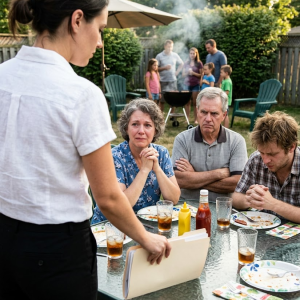
Eight years after Ren bought the property for seven dollars, Holloway House hosted its first harvest supper for former residents, donors, neighbors, and every person who had carried a board, donated a dish, or believed in the place when it still looked impossible. The long tables were set under