blinking fast, she told me a diner had asked whether she was for hire after midnight.
She had reported it once before about a different guest, and Miguel had advised her not to overreact if she wanted to work in high-end hospitality.
The restaurant still glittered.
The music still floated.
But under the polish, my staff had learned an ugly lesson: absorb the damage quietly or be labeled difficult.
Then Blaire Kensington walked in.
Some people do not merely enter a room; they reorganize it around themselves.
Blaire was one of those people.
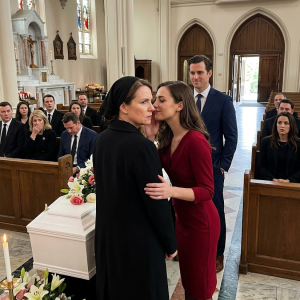
She arrived in a red silk dress that seemed chosen for maximum visibility, with three friends who laughed half a beat too late at everything she said.
She did not smile when I greeted her.
Instead she tilted her head and looked at me as if she had found an object where she did not remember leaving one.
She asked whether she could have the best table in my section, though the host had placed her two steps away from it.
She asked whether I was new.
She asked where I had worked before.
When I gave Lily’s carefully prepared answer, she followed with where do you live, do you walk home alone, and what time do you usually finish.
Her tone was airy, but there was nothing casual about the questions.
It felt like an inspection.
She became a regular in a hurry.
Every visit with Blaire had the same structure and a new variation of cruelty.
She ordered expensive wine and sent it back after tasting it twice.
She requested elaborate modifications to dishes she had no intention of eating.
She spoke to me in a voice loud enough for neighboring tables to hear, then switched to a purring whisper whenever a manager approached.
Once she claimed her steak was overcooked despite the clear blush in the center and demanded it be comped because the incompetence had ruined her evening.
Another time she asked Tanya whether women our age were trained to smile in school now or whether stupidity just came naturally with the uniform.
Her friends laughed.
Miguel appeared, apologized to Blaire, and removed two entrées from the check.
After her third visit, Tanya caught my wrist near the service station and told me to stop trying to win Blaire over because that was not the game.
Blaire, she said, liked to pick one staff member and work on them.
Two servers had quit after being repeatedly assigned to her section.
A hostess transferred to lunch shifts because of her.
Management never banned her, never warned her, never even documented the pattern in any meaningful way.
Tanya’s voice did not rise when she said it.
That was what made it hurt more.
Resignation had hardened into routine.
I started paying attention to Miguel whenever Blaire dined with us.
He always seemed to materialize near her table before anyone else.
He knew her preferred champagne, her usual complaints, and exactly how far he could bend policy to please her without alerting me if I happened to glance at a daily report.
One night I watched him delete a note from the incident log at the host stand and replace it with the words guest dissatisfaction resolved.
Another night he walked Blaire through the kitchen shortcut