relationship for too long.
But I noticed that for the first time in our lives, she was willing to be uncomfortable without requiring someone else to absorb it for her.
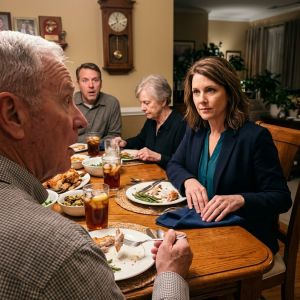
My grandfather became the steady center of those months.
He drove me to meetings when my hands shook too badly to hold the wheel.
He sat through depositions in a cardigan that made him look harmless until he opened his mouth and remembered every date, every remark, every small indignity my parents had turned into family normal.
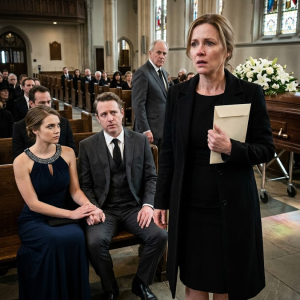
He gave me my grandmother’s letter in a cream envelope softened by years.
I must have read it fifty times.
The line that undid me most was not about the money.
It was the sentence beneath it: “I do not want Daisy to confuse being loved with being useful.” It felt like hearing a door unlock inside me.
The settlement was finalized in early spring.
The bank restored the unauthorized post-eighteen withdrawals, the lost market gains attached to those withdrawals, and my legal fees.
My parents were ordered to repay a substantial additional amount through the sale of their house, the liquidation of a brokerage account, and a structured judgment that would follow them for years.
My father eventually accepted a plea agreement on the forged documents after the bank referred the matter to prosecutors.
My mother avoided jail but not consequences; her name sat on the court filings next to his, and every conversation she had ever tried to hide behind tears now existed in affidavits and records.
The total transferred into a new account under my sole control was a little over three million dollars.
The morning the funds cleared, I stared at the screen for a long time and felt almost nothing.
Then I felt everything at once.
Relief was part of it, of course.
So was rage.
So was grief for the version of my twenties I had lived inside because other people had decided my desperation was a useful savings strategy.
Money does not return years whole.
It does not erase the nervous system you built while waiting for every bill to become an emergency.
I hired a therapist before I bought anything else.
That was the first decision I made with the account, and it may have been the wisest.
The second thing I did was quit the extra weekend job that had been eating my back and my sleep.
Then I paid off every debt I had carried with shame attached to it.
Then I rented a small furnished house for six months and allowed myself an experience that had once felt obscene: rest.
Not extravagance.
Not reinvention.
Rest.
I slept without setting alarms for overtime.
I bought groceries without calculating the total three times in my head.
I sat on the porch in the evenings with tea and watched my body learn, slowly and suspiciously, that the ground under it was not about to vanish.
I did not reconcile with my parents.
We met once, at my attorney’s office, because paperwork required signatures and because they asked.
My mother said she had loved me the best way she knew how.
My father said pride had kept him from admitting how much they had relied on the trust once they started.
I listened because I wanted